
1909–1913 / Europe
Ammonia synthesis moves from the laboratory to industry
Haber and Le Rossignol demonstrate a high-pressure circulating apparatus; Bosch, Mittasch and BASF teams then tackle industrial scale-up.
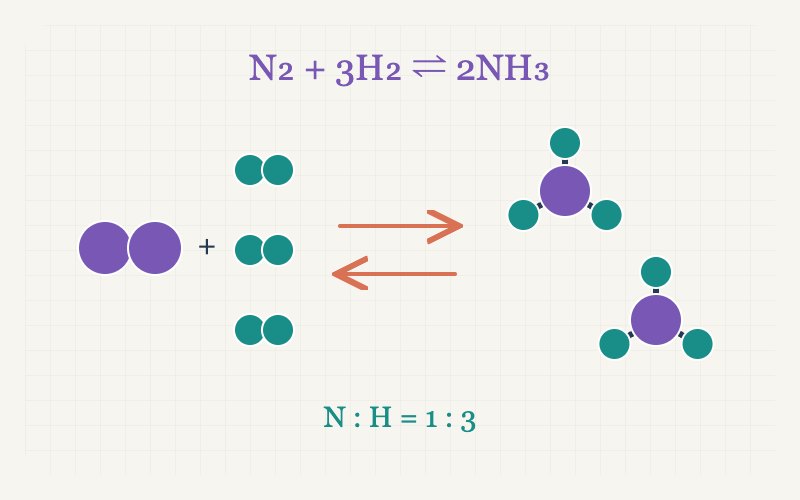
Image unavailable. The caption and source are still available.
The story
In 1909 an apparatus at Karlsruhe converted nitrogen and hydrogen into collectable ammonia. Pressure, catalysis and recirculation worked together; the apparatus engineer Robert Le Rossignol was a crucial collaborator. Industrial production still required work on catalysts, purified feed gases, materials and pressure vessels. BASF teams led by Carl Bosch scaled up the process, with Alwin Mittasch and colleagues investigating iron-based catalysts. The Oppau plant opened in 1913. The period distinguishes laboratory demonstration from industrial operation.
Connections and context
Synthetic ammonia linked atmospheric nitrogen to chemical manufacturing and fertilizers, while creating substantial energy demands. Chemistry and collaborative engineering were both essential.
Dates and precision
1909–1913 Ongoing process
The dates describe a span of activity; the timeline uses its starting point.
Representative map location
Karlsruhe
The point marks the laboratory demonstration setting in 1909. The industrial plant opened at Oppau in 1913, rather than in the same laboratory.
Representative coordinates · 49.0094°, 8.4044°
A marker identifies one representative place, such as a manuscript collection, laboratory or observing site. It does not mean the work happened only there, or assign a shared discovery to one country.
Bibliography
- Science Museum Group: Sample of Haber’s synthetic ammonia, 2 July 1909
- BASF: Fertilizer out of thin air
- Royal Society: Robert Le Rossignol, engineer of the Haber process
References are listed as plain bibliography titles. They support particular facts or context; a reference does not certify every interpretation in a story.