
1833–1838 CE / Europe
Abolition in British Colonies and Incomplete Freedom
Prolonged resistance and abolitionist movements pushed Britain to pass an abolition act; enslaved status gradually ended in the colonies, but compulsory apprenticeship delayed the realization of freedom.
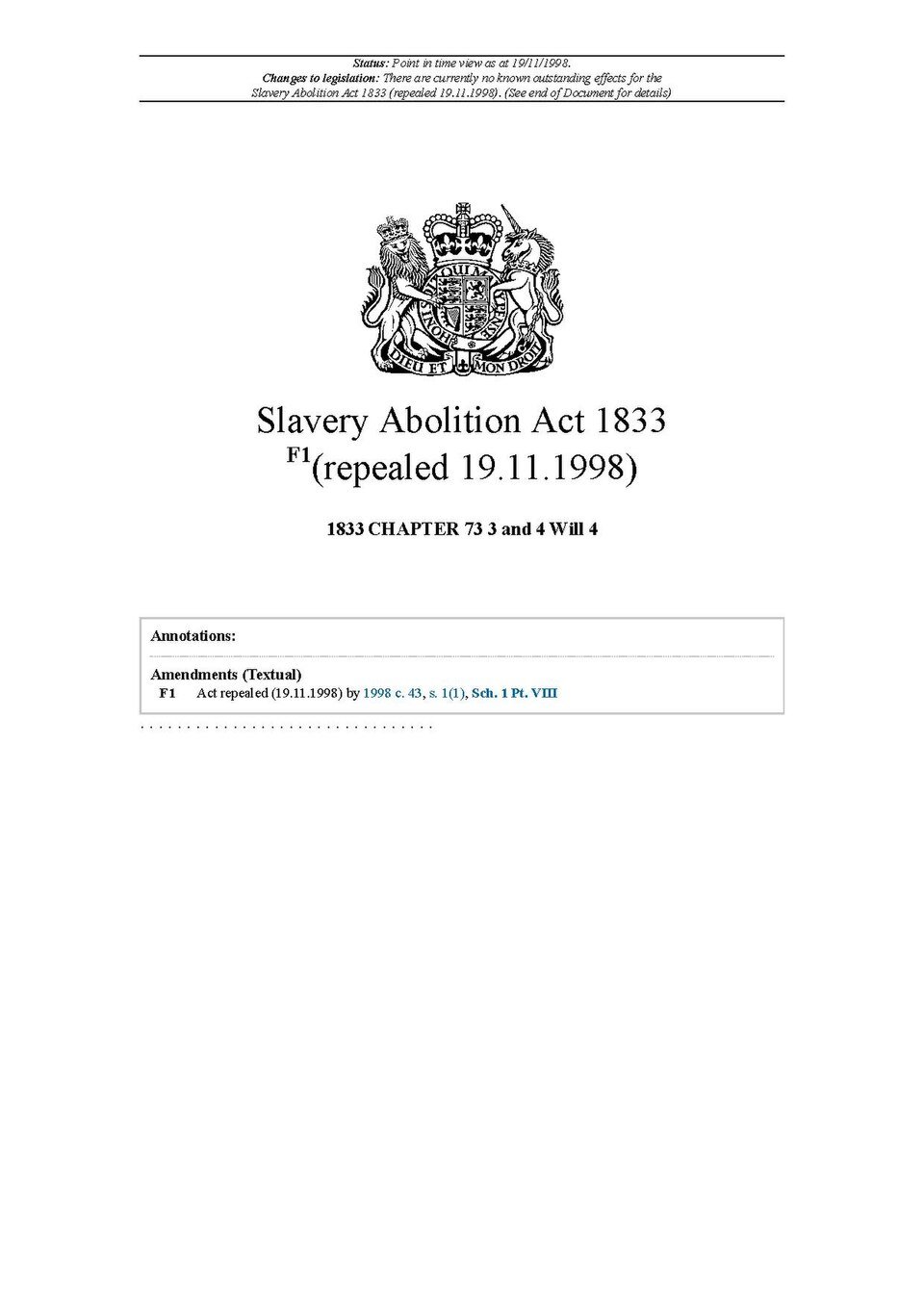
Image unavailable. The caption and source are still available.
The story
Amid continued resistance by enslaved people and mobilization by abolitionist groups, the British Parliament passed the Slavery Abolition Act in 1833, which took effect in most British colonies in 1834. It differed from the 1807 law prohibiting the slave trade: its aim was to end enslaved status, although it did not cover all imperial territories at the time. Many freed people were compelled to enter an apprenticeship system and continue working for their former owners until that system ended early in 1838. The government paid compensation to slaveholders, while enslaved people did not receive equivalent compensation. Legal change was an important breakthrough, but relationships of land, wages, and racial power continued to restrict freedom.
Elsewhere in the world
British abolition echoed antislavery struggles after the Haitian Revolution, while slavery in other parts of the Americas continued for decades.
Dates and precision
1833–1838 CE Ongoing process
The dates describe a process over time; the interactive timeline uses its starting point.
Representative map location
Representative coordinates · 51.499°, -0.125°
Coordinates locate a representative point for the story. They do not mean the event happened only here and do not represent historical borders.
Bibliography
- UK Parliament | The West Indian colonies and emancipation
Sources are listed as bibliography titles, without external links. A reference does not mean every sentence or interpretation has been independently verified.