
1810–1825 CE / Americas
Wars of Independence and New States in Spanish South America
A crisis of the Spanish crown prompted struggles for self-government and independence in the Americas; forces led by Bolívar, San Martín, and others fought across regions and established new states.
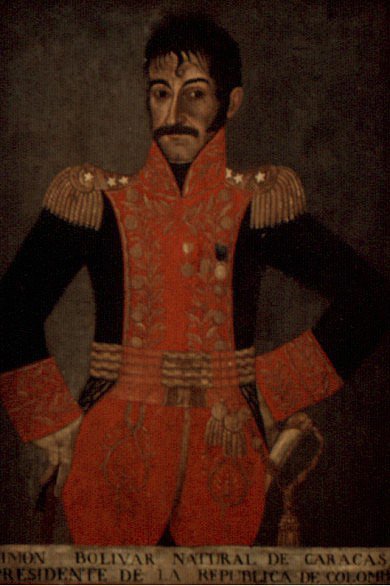
Image unavailable. The caption and source are still available.
The story
This entry focuses on the principal wars of independence in Spanish South America around 1810–1825 and does not encompass the independence dates of every Latin American country. Napoleon's invasion of Iberia caused a crisis of Spanish royal authority; around 1810, local juntas formed in many places in the Americas, and demands for self-government gradually shifted toward independence. Armies led by Bolívar, San Martín, and others fought across boundaries and the Andes. Indigenous people, people of African descent, and other inhabitants participated from different positions, and the wars also involved conflicts within American societies. After the Battle of Ayacucho in 1824, Spain's main system of rule in South America collapsed, and new states emerged in succession. Independence changed sovereignty, but did not universally resolve inequalities involving land, enslavement, and class, and left disputes between centralization and local autonomy.
Elsewhere in the world
These struggles continued the Atlantic revolutions' discussions of rights while also being influenced by European wars, the Haitian Revolution, and the expansion of British trade.
Dates and precision
1810–1825 CE Ongoing process
The dates describe a process over time; the interactive timeline uses its starting point.
Representative map location
Representative coordinates · 10.48°, -66.904°
Coordinates locate a representative point for the story. They do not mean the event happened only here and do not represent historical borders.
Bibliography
- Rice University OpenStax | Spanish South America
Sources are listed as bibliography titles, without external links. A reference does not mean every sentence or interpretation has been independently verified.