
1324–1325 CE / Sub-Saharan Africa
Mansa Musa's Pilgrimage and Mali's Networks
The pilgrimage of Mali's ruler Mansa Musa made West Africa's wealth and political influence widely known, highlighting the vitality of trans-Saharan trade routes.
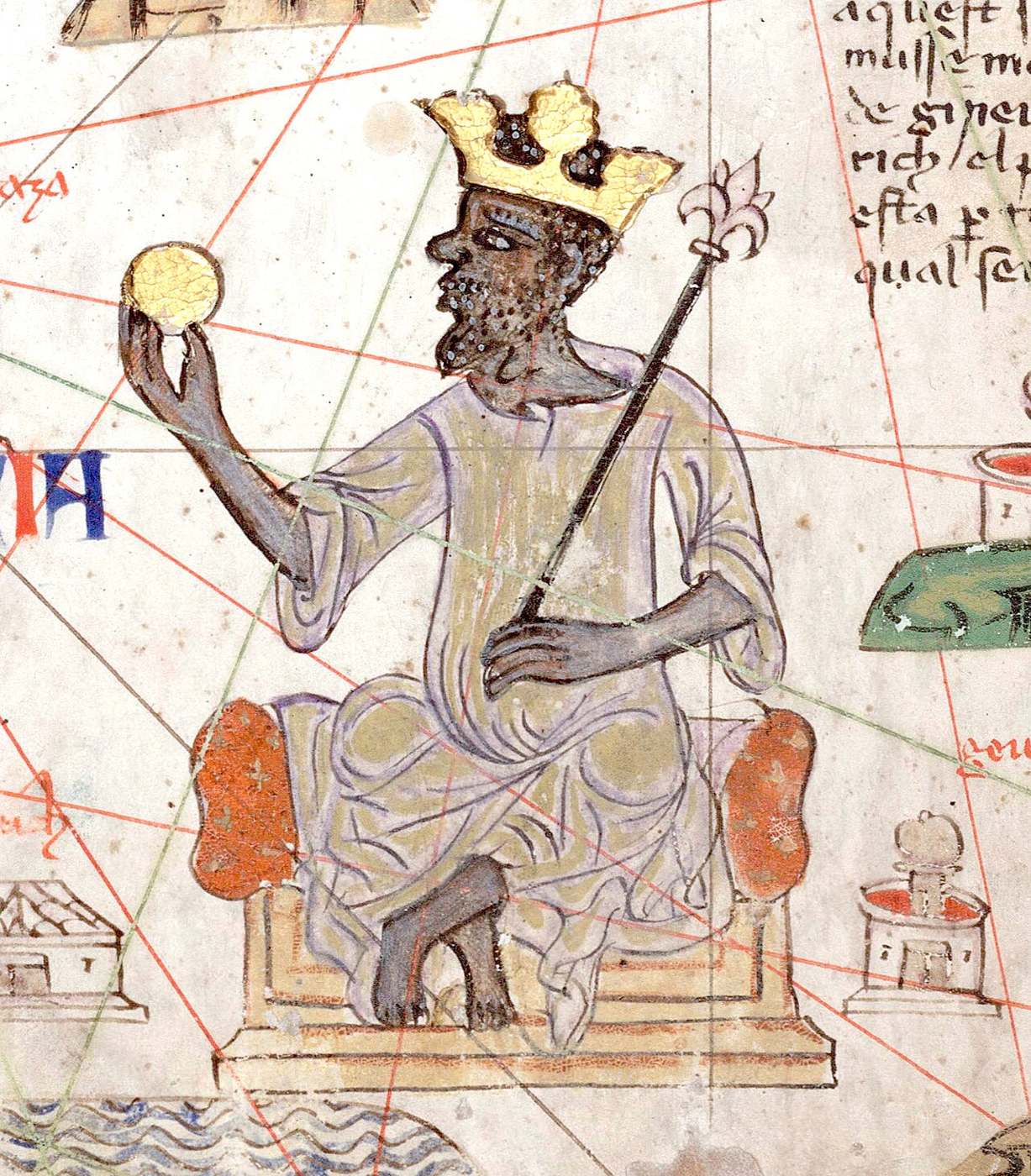
Image unavailable. The caption and source are still available.
The story
Mansa Musa traveled to Mecca in 1324–1325, passing through Cairo. Accounts of his enormous entourage and gifts of gold brought Mali into a wider geographical imagination. His wealth was connected with the gold trade, agriculture, and political control, while West African cities also participated in Islamic scholarly networks. Numbers of people and the scale of wealth in historical sources may be exaggerated; his wealth cannot reliably be converted into modern currency to rank him among the world's richest people.
Elsewhere in the world
Musa passed through Mamluk-ruled Cairo, directly connecting the Niger River region, North Africa, and Red Sea pilgrimage routes.
Dates and precision
1324–1325 CE Ongoing process
The dates describe a process over time; the interactive timeline uses its starting point.
Representative map location
Representative coordinates · 12.5°, -8.3°
Coordinates locate a representative point for the story. They do not mean the event happened only here and do not represent historical borders.
Bibliography
- Rice University OpenStax | Medieval Sub-Saharan Africa
Sources are listed as bibliography titles, without external links. A reference does not mean every sentence or interpretation has been independently verified.