
27 BCE / Europe
Augustus and the Roman Principate
Octavian received the title Augustus, and Rome concentrated its central powers in the hands of the princeps while retaining republican forms.
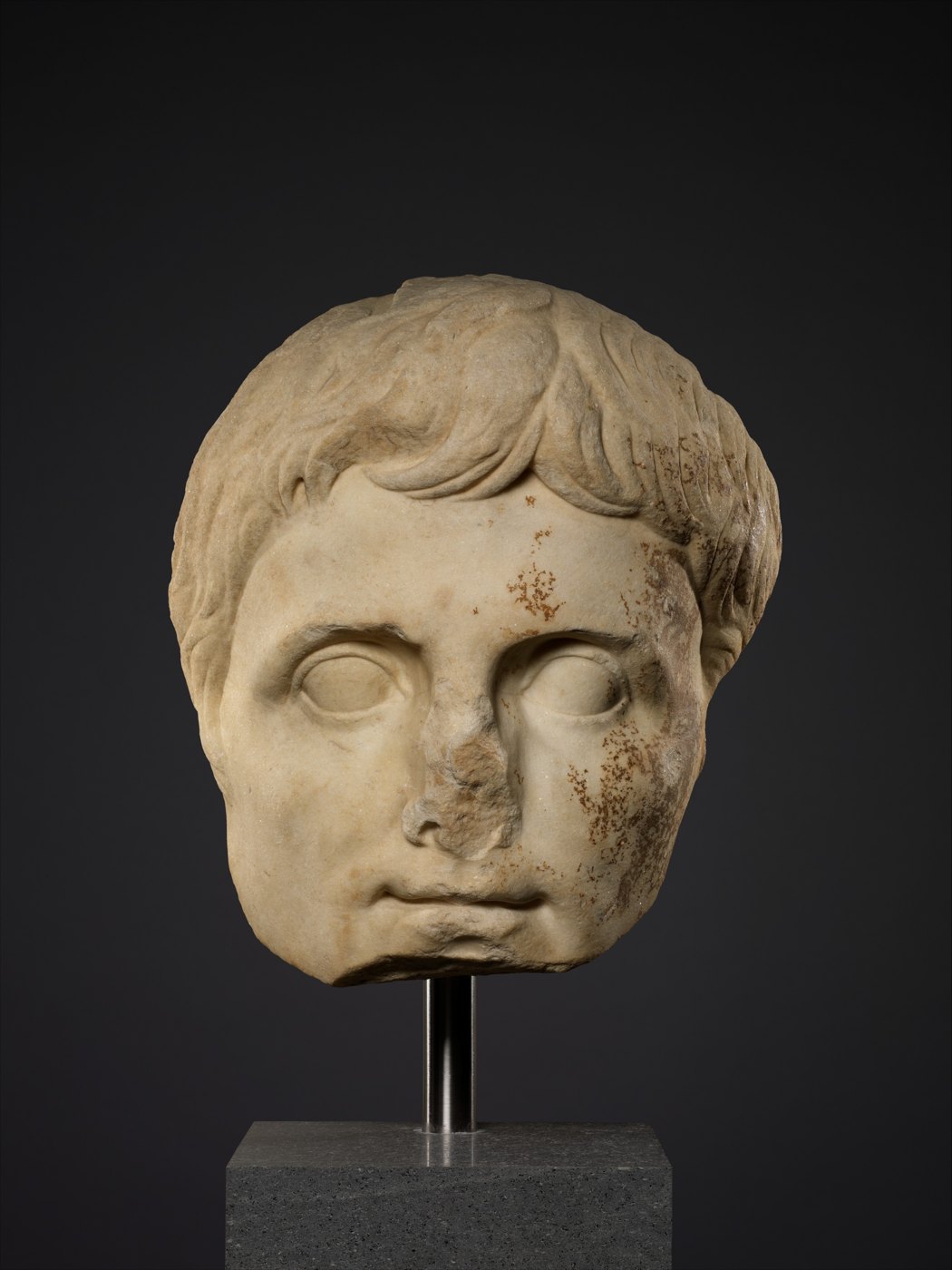
Image unavailable. The caption and source are still available.
The story
After prolonged civil wars, Octavian received the title Augustus in 27 BCE, establishing a political arrangement usually regarded as the beginning of the Roman Empire. Roads, cities, and maritime transport connected different parts of the Mediterranean, while law and administration gradually expanded. The supposed peace did not apply to every frontier or inhabitant: conquest, enslaved labor, and inequality remained important to the empire's operation, and republican institutions did not immediately disappear.
Elsewhere in the world
At the same time, East Asia was in the Han period, and Eurasian trade routes gradually connected different regions, although goods between Rome and Han China usually passed through intermediaries.
Dates and precision
27 BCE Documented date
Positioned by the documented year, month or day; missing months and days are not inferred.
Representative map location
Representative coordinates · 41.893°, 12.485°
Coordinates locate a representative point for the story. They do not mean the event happened only here and do not represent historical borders.
Bibliography
- Penn Museum | The Roman World
Sources are listed as bibliography titles, without external links. A reference does not mean every sentence or interpretation has been independently verified.