
550 BCE / West Asia & North Africa
The Persian Empire Connects Languages and Regions
After Cyrus defeated the Medes, the Achaemenid dynasty expanded rapidly, gradually incorporating diverse societies into a vast network of rule.
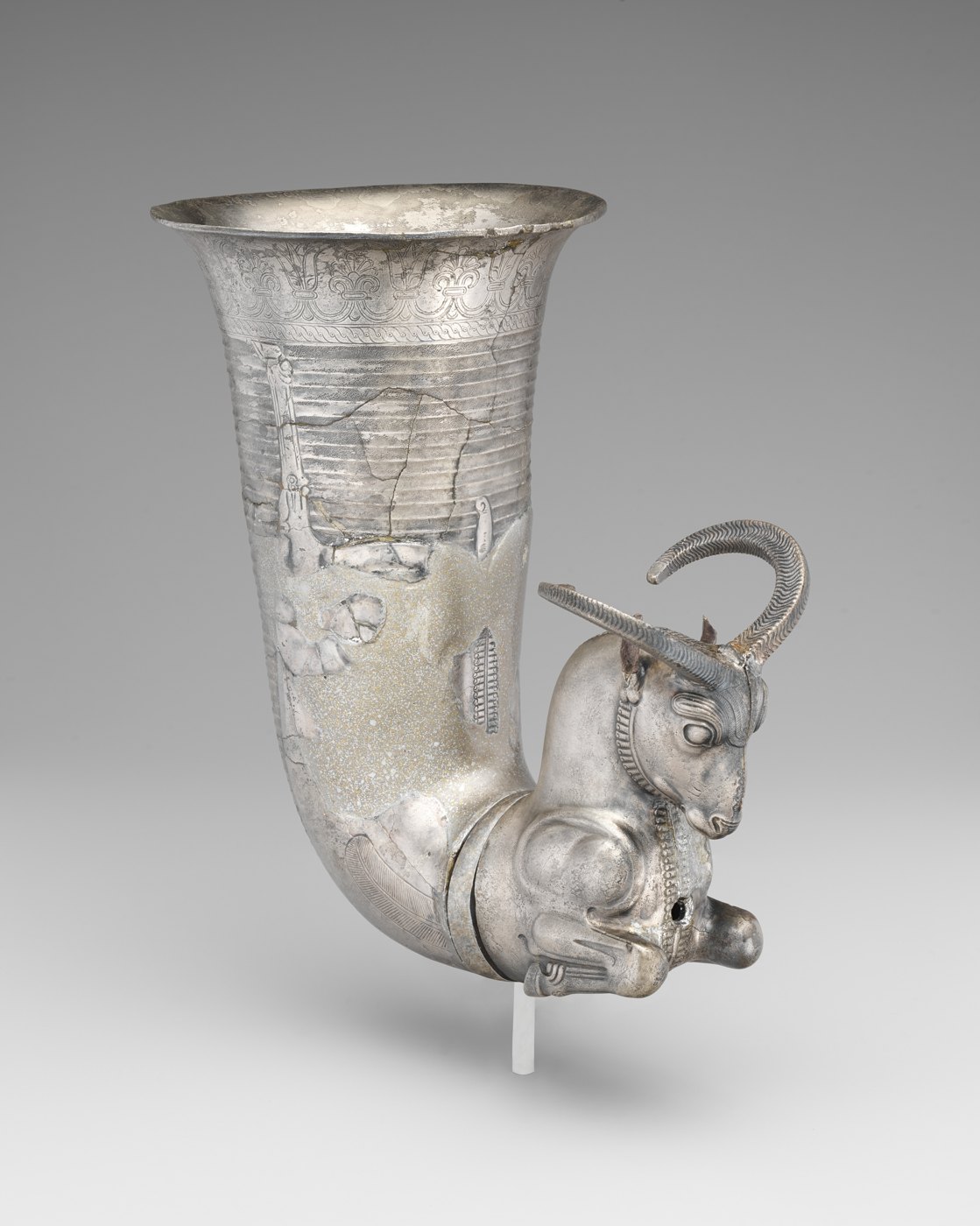
Image unavailable. The caption and source are still available.
The story
In 550 BCE, Cyrus defeated the Median ruler and subsequently conquered Lydia and Babylon. His successors extended their rule across broader areas of West Asia, the Nile Valley, and neighboring regions, and developed systems of provinces and roads. The empire sought a balance among taxation, armies, and local traditions. It enabled cultural exchange while also depending on military force and hierarchical order; it cannot simply be described as an egalitarian, pluralistic state in the modern sense.
Elsewhere in the world
Persian rule brought the eastern Mediterranean and northwestern South Asia into closer connection, while Greek city-states also interacted along the edges of this network.
Dates and precision
550 BCE Documented date
Positioned by the documented year, month or day; missing months and days are not inferred.
Representative map location
Representative coordinates · 30.2°, 53.179°
Coordinates locate a representative point for the story. They do not mean the event happened only here and do not represent historical borders.
Bibliography
- The Metropolitan Museum of Art | The Achaemenid Persian Empire
Sources are listed as bibliography titles, without external links. A reference does not mean every sentence or interpretation has been independently verified.