
1914–1918 CE / Europe
Global Mobilization in the First World War
A European crisis escalated into a world war, drawing in colonial soldiers, laborers, and resources, and reshaping empires and everyday life.
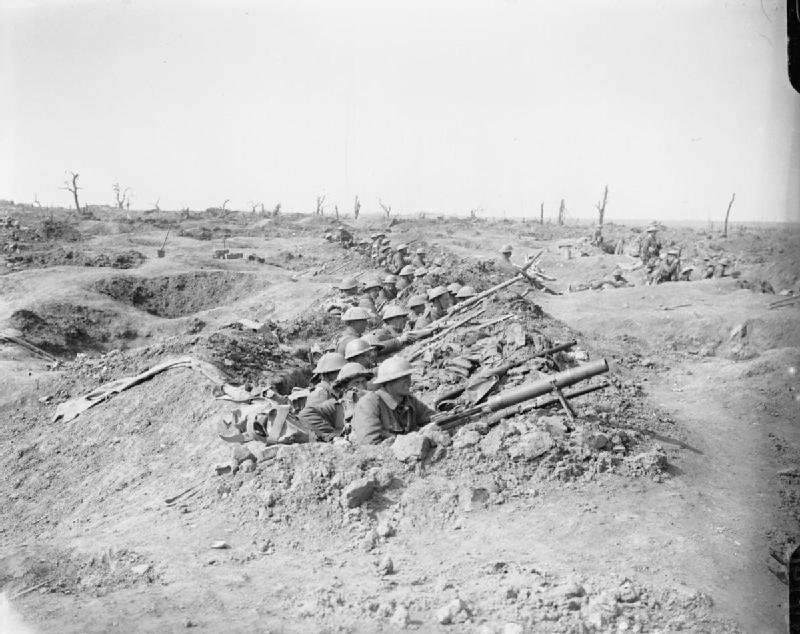
Image unavailable. The caption and source are still available.
The story
The assassination in Sarajevo in 1914 triggered a diplomatic crisis, after which the European powers went to war. Military plans, alliances, and imperial competition together drove the escalation; its causes cannot be reduced to a single bullet. The war extended across Europe, West Asia, Africa, and the oceans, with large numbers of soldiers and laborers from Asia and the colonies taking part. Industrialized killing and total mobilization caused immense losses, while the postwar peace arrangements left new conflicts and demands for rights.
Elsewhere in the world
The participation of Indian soldiers, African troops, and Chinese laborers shows how closely the European battlefields were connected to the social histories of Asia and Africa.
Dates and precision
1914–1918 CE Ongoing process
The dates describe a process over time; the interactive timeline uses its starting point.
Representative map location
Representative coordinates · 43.857°, 18.413°
Coordinates locate a representative point for the story. They do not mean the event happened only here and do not represent historical borders.
Bibliography
- National Army Museum, United Kingdom | First World War
Sources are listed as bibliography titles, without external links. A reference does not mean every sentence or interpretation has been independently verified.