
c. 1200–400 BCE / Americas
Olmec Colossal Stones and Ceremonial Centers
Large earthen platforms, stone sculptures, and networks of exchange appeared along the Gulf coast of Mexico, and Olmec art influenced many parts of Mesoamerica.
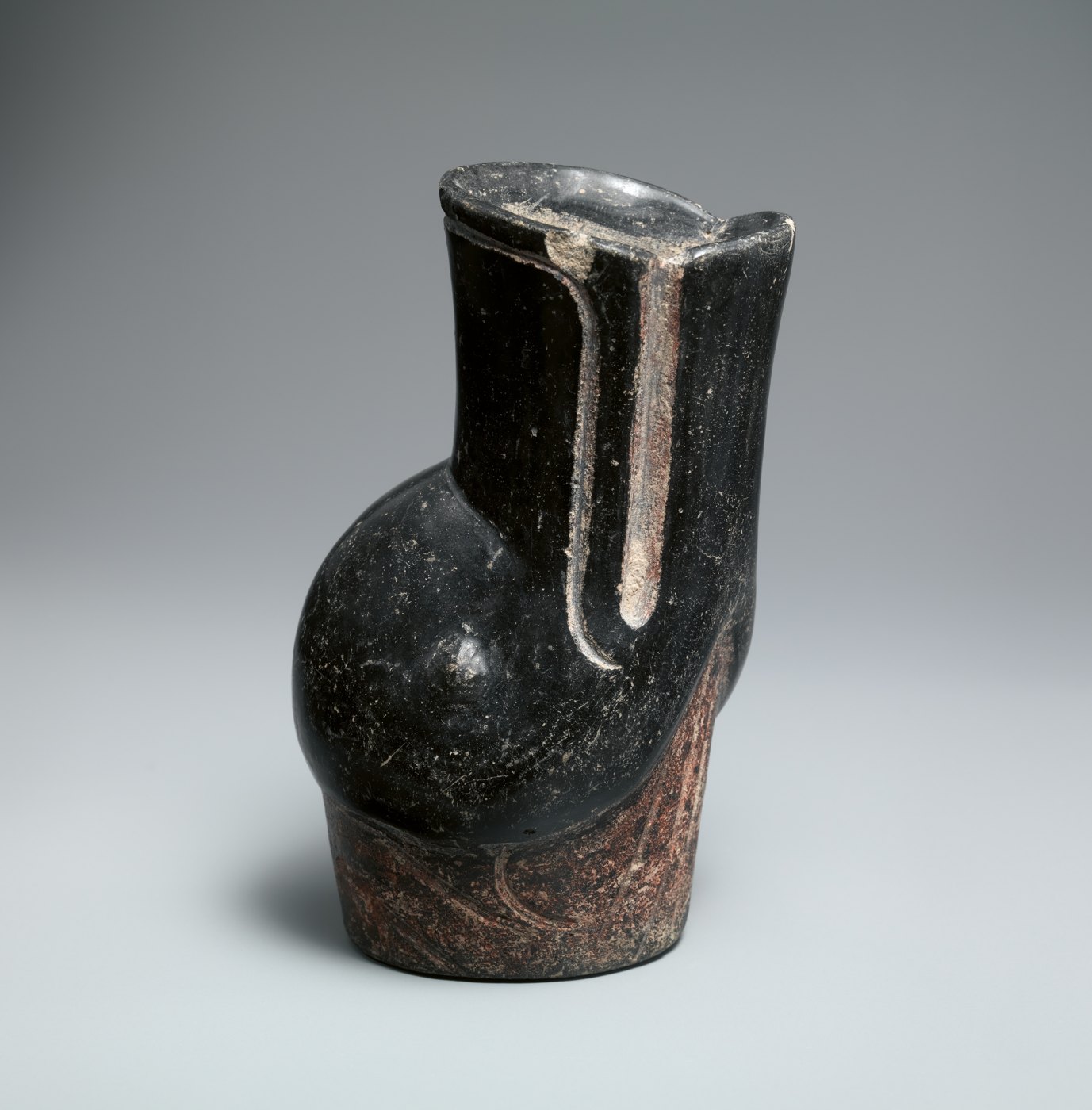
Image unavailable. The caption and source are still available.
The story
Settlements such as San Lorenzo organized inhabitants to build earthen platforms and public spaces and to transport stone over long distances for carving colossal heads. These remains reveal complex cooperation, authority, and ceremonial life. Olmec is a cultural name used by later generations, rather than the name of a unified state with clearly defined borders. Its art and symbols spread widely, but attributing all later Mesoamerican achievements to a single source would obscure innovation in individual regions.
Elsewhere in the world
This period spanned China's late Shang and Western Zhou and continued into the Eastern Zhou. Both the Americas and East Asia left large ceremonial works, but there is no reliable evidence of direct contact between them.
Dates and precision
c. 1200–400 BCE Approximate period
The dates describe a process over time; the interactive timeline uses its starting point.
Representative map location
Representative coordinates · 17.756°, -94.761°
Coordinates locate a representative point for the story. They do not mean the event happened only here and do not represent historical borders.
Bibliography
- The Metropolitan Museum of Art | Olmec Art
Sources are listed as bibliography titles, without external links. A reference does not mean every sentence or interpretation has been independently verified.